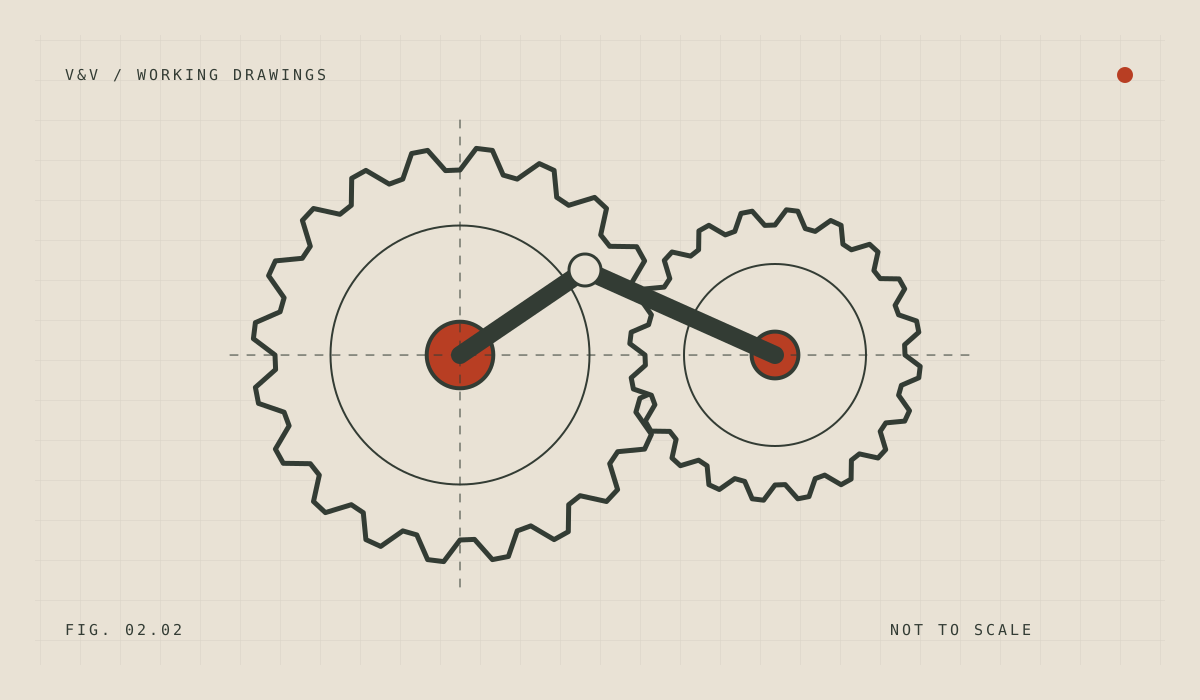
Turn a geared input one way, reverse it, and watch the output. You may move the input through a small angle before the output reverses. Gear clearance can contribute to that lost motion. Flexible mounts and loose couplings can add motion of their own.
Separate the places that move
Secure the mechanism with power disconnected. Put reference marks on the input, output, and mounting bracket. Apply a small, controlled load while observing each mark. Avoid forcing the gears against their stops. You want to locate relative motion without introducing a new deformation.
A video taken square to the reference marks can help you review the sequence. Include a scale in the frame and record how you applied the load. If you change the fixture halfway through the test, label that run separately so you do not compare unlike measurements.
Choose a fix for the cause
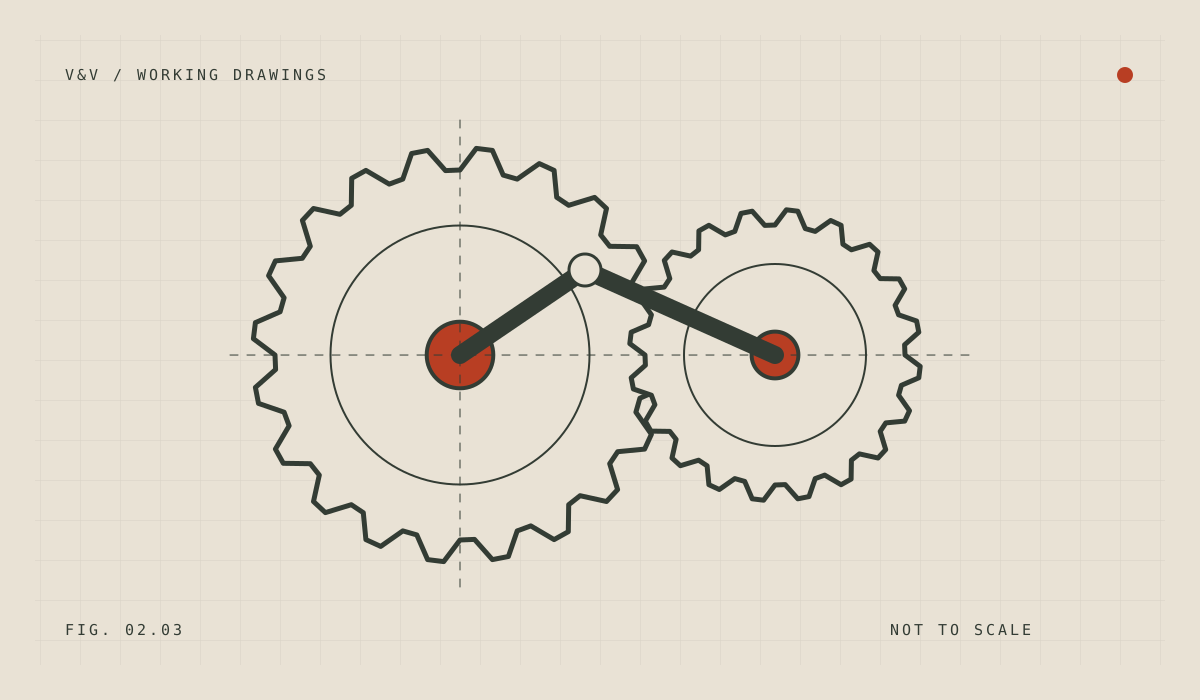
A loose shaft coupling needs a different repair from gear clearance. Stiffen a mount only after you have observed it deflect. A control change can reduce an error under some conditions, but it cannot make an unsupported bearing sit in the correct place.
Repeat the same reversal after the repair. Keep the original video, the revised part, and the new observation together. Describe the remaining motion in your build log so the next reader knows the limit of the fix.
Have a correction or a different result? Write to the editor.